
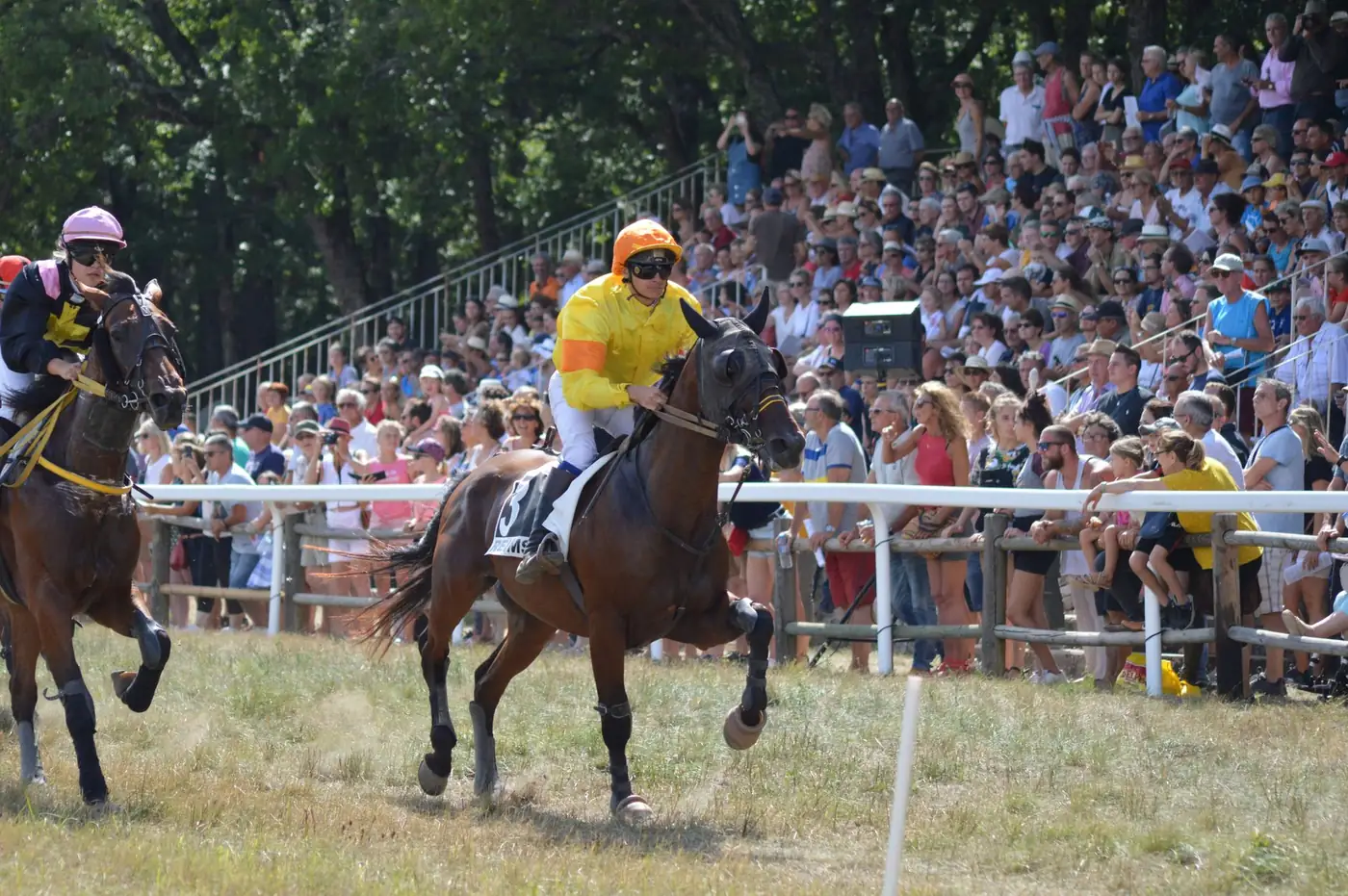
There is a particular satisfaction in watching a horse walk into a racecourse paddock for the first time when you can remember it as a wobbling, day-old foal, and it is a satisfaction built almost entirely on patience, because the distance between those two points is measured in years, not weeks, and the vast majority of that time is spent on things that have nothing visibly to do with racing at all.
Year One: Nothing Happens on Purpose
The first year of a young racehorse's life, as I have written about elsewhere on this diary, is dominated by growth and handling, and deliberately involves no formal training at all beyond leading, standing and general good manners. This is not a missed opportunity. Bone and joint development in a young horse is simply not finished, and the single fastest way to end a promising racing career before it starts is to ask too much physically of a body that has not caught up with the horse's apparent size and confidence. A big, strong-looking yearling is still, underneath, a very young animal.
It is worth saying that this restraint is harder than it sounds, particularly with an obviously talented young horse that moves beautifully in the field and seems, to an impatient owner, to be ready for more than the calendar allows. Every trainer I respect has, at some point, had to have a version of the same conversation with an eager owner: that the horse's obvious ability is exactly the reason to protect it now, because a career cut short at three by an avoidable injury is worth nothing compared to one properly built from the ground up.
Year Two: Backing and Basics
Formal training generally begins as a yearling moves toward becoming a two-year-old: backing, meaning the first time a horse carries a rider's weight, followed by weeks of walking and gentle trotting before anything resembling speed work is even considered. This stage is entirely about the horse learning an entirely new vocabulary of communication, responding to a rider's weight, leg and hand for the first time, and rushing it produces a horse that is fast but fundamentally unbalanced and difficult, which tends to show up as a problem later rather than a saving of time now.
Fitness builds slowly and deliberately through this period: long, steady work before anything fast, and fast work introduced only once a horse has the basic strength and cardiovascular fitness to cope with it safely. Trainers vary in exactly how they sequence this, and there is genuine, reasonable disagreement in the industry about pace, but the direction of travel, slow before fast, strength before speed, is close to universal among trainers with good long-term soundness records.
Cardiovascular fitness, it is worth saying, comes on far faster than the musculoskeletal fitness needed to support it, and this mismatch is where a lot of avoidable injuries happen. A young horse can feel strong and willing to a rider well before its bones, tendons and ligaments have adapted to carry that same effort safely, which is exactly why the slower, more conservative trainers tend to have the better long-term record even when their two-year-olds look, on paper, less advanced than a rival's in the spring.
Learning to Settle
Alongside physical fitness, a huge and underappreciated part of this stage is teaching a young horse to settle: to canter within itself rather than fighting to go faster, to relax in a group rather than treating every gallop as a race to be won on the home gallops at nine in the morning. A horse that cannot settle wastes energy it will badly need in the closing stages of an actual race, and teaching this skill, mostly through repetition and the calming influence of older, settled horses ridden alongside, takes months rather than days.
We use older, experienced horses specifically for this purpose whenever the yard has them available, pairing a keen, green two-year-old with a steady campaigner who has seen it all before and simply will not be hurried. It is a quietly effective piece of horsemanship that has nothing to do with raw fitness and everything to do with teaching a young mind what calm actually feels like.
First Runs, and What They're Actually For
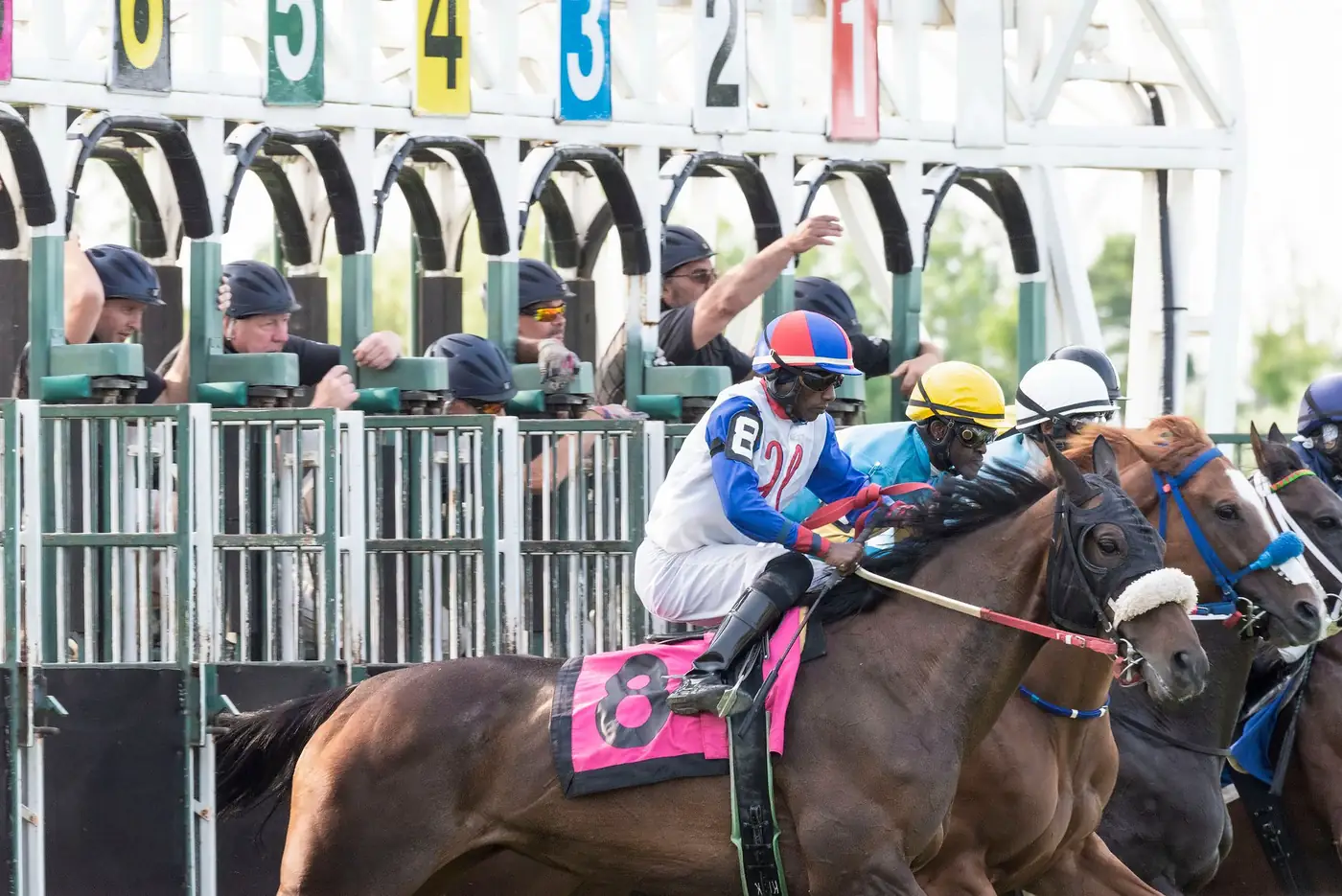
A horse's first run is rarely, in a good trainer's mind, actually about winning. It is an education: coping with the noise and crowd of a racecourse, loading calmly into stalls, settling in a group of moving horses rather than fighting the rider, learning what is actually being asked of it in a way that no amount of home schooling can fully replicate. Some horses take to it instantly. Others need three or four runs before the penny properly drops, and a good trainer reads which is which and adjusts a horse's programme accordingly rather than sticking rigidly to an original plan.
This is where owners, especially new owners, sometimes need the most managing, because a horse that runs three times without winning can look, from outside, like a disappointment, when from inside the yard it can equally be a young horse doing exactly what was expected of it at this stage: learning the job. The Racehorse Owners Association does genuinely useful work helping new owners understand this rhythm, and I would point anyone starting out in ownership toward their guidance before they watch their first maiden race and draw the wrong conclusion from it.
A good trainer will usually explain, before that first run, roughly what they expect and what would count as a genuinely pleasing performance even without a placing, and owners who hear that explanation properly tend to enjoy the whole process considerably more than those who go in expecting a debut victory as the default outcome rather than the pleasant exception it actually is.
The Ones That Don't Make It, and Why That's Not a Failure
Not every well-bred, well-raised young horse becomes a racehorse, and it is worth saying plainly that this is not usually anybody's fault. Some horses simply are not fast enough at the level required. Some have a temperament unsuited to the pressure of raceday, however talented they are at home. Some, unluckily, pick up an injury during this developmental period that ends the plan before it properly began. A good yard treats this as an ordinary, expected part of the process rather than a crisis, and has a plan for those horses, whether that is a change of discipline entirely or simply a slower route through to racing than originally intended.
What strikes me most, watching this apprenticeship play out year after year, is how little of it resembles the finished product. A horse's first racecourse appearance is the visible tip of a process that started with a foal standing up in a straw bed two years earlier, and every single stage in between, unglamorous, slow and mostly invisible to anyone outside the yard, is what actually decides whether that first run goes well.